
Assistant Professor of Electrical Engineering and Computer Science, College of Engineering
Your browser is ancient!
Upgrade to a different browser to experience this site.
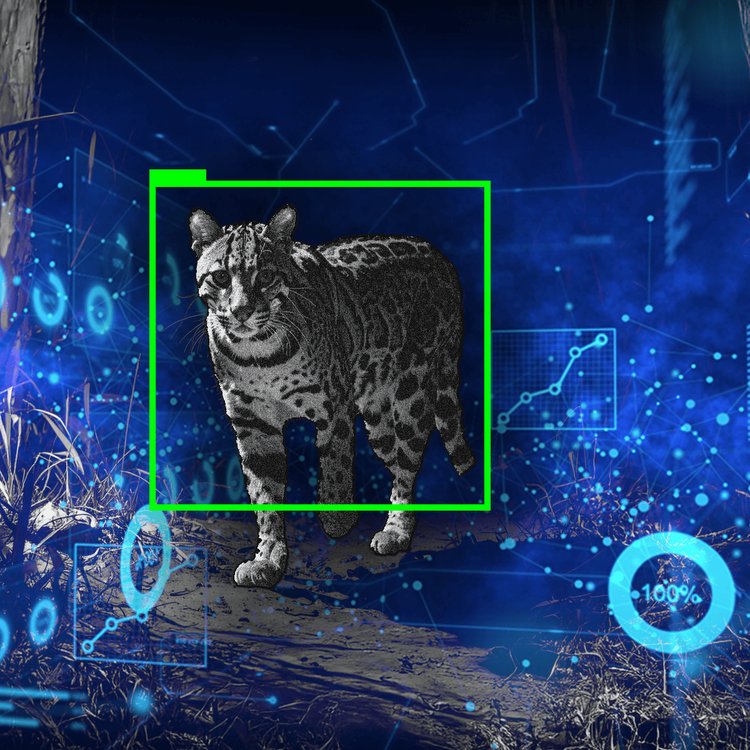
Artificial Intelligence (AI) is transforming how the world addresses some of its toughest challenges. In this course, "Defining AI for Social Impact", you’ll learn how AI is being applied in unique ways, from protecting endangered wildlife across the globe to expanding healthcare access in communities with limited resources. Through real-world case studies and faculty-led videos, you’ll gain a personal understanding of how AI can create positive social impact when applied thoughtfully and responsibly.
You’ll explore both the potential and limitations of AI, learning to recognize the algorithmic, practical, and ethical considerations that ideally guide its use. This course goes beyond theory by connecting abstract ideas to concrete examples of existing AI projects in society. By the end, you’ll understand how AI works in practice and consider how to leverage it to create a more just and moral future.
This is the first course in the three-course series, "Realizing AI for Social Impact", where you will explore use cases and frameworks for deploying AI to achieve social impact.
Welcome to Defining AI for Social Impact! This is the first course in a 3-part series in Realizing AI for Social Impact from the University of Michigan. In this course, we discuss AI’s potential for positive social impact with examples, practice identifying and searching for examples, and practical and ethical considerations. Bring your interests and experiences to the videos and activities to explore AI for social impact. We hope this course inspires you to safely try AI in your context!
This abbreviated syllabus description was created with the help of AI tools and reviewed by staff. The full syllabus is available to those who enroll in the course.
Module 1: Explore AI Systems for Social Impact
Lesson 1: Introduction to AI
Lesson 2: AI for Social Impact
Module 2: Examine AI Systems for Social Impact
Lesson 1: Searching for Existing AI Systems
Lesson 2: Practical and Ethical Considerations
There are two quizzes in this course, each worth 50% of your final grade. Learners must earn an overall grade of 80% or higher in order to pass the course.
Assistant Professor of Electrical Engineering and Computer Science, College of Engineering
Course content developed by U-M faculty and managed by the university. Faculty titles and affiliations are updated periodically.
Beginner Level
Learners should be interested in AI applications in the real world, especially in the face of social challenges.
