
Associate Professor Emerita of Environment and Sustainability
Your browser is ancient!
Upgrade to a different browser to experience this site.
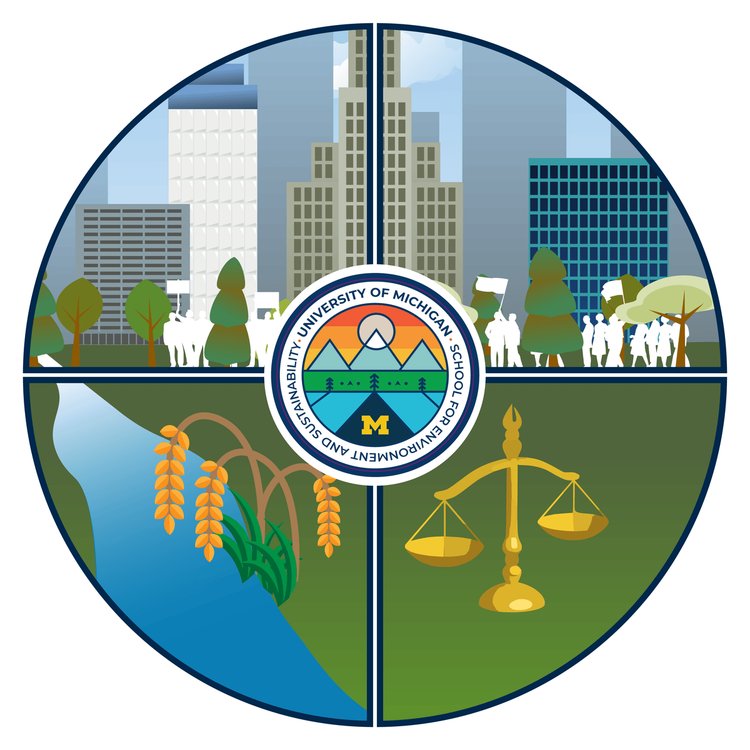
Studies of the late twentieth and early twenty-first centuries demonstrated persistent trends in the US: race, income, and other factors predispose marginalized communities to higher toxic waste exposure and poorer quality of air, water, housing, and recreational spaces. In “Environmental Justice,” you’ll learn how these burdens have individual, interpersonal, and intergenerational effects and how environmental justice has helped mitigate these inequities
In this course, you’ll learn about the historical events that have helped shape the environmental justice movements of today, and legislative victories, like the removal of lead from automotive fuels and the establishment of mandates within the U.S. Environmental Protection Agency. In addition to previous successes, this course will explore current work emerging in the field of environmental justice, including Indigenous sovereignty, conservation, climate and migration justice, affordable housing, policing, digital equity, disability rights, and more.
This is a course within the “Green Skills for a Sustainable and Just Future," a course series dedicated to shaping the next generation of sustainable practices and leadership.
Environmental Justice explores the origins, evolution, and global expansion of the environmental justice movement. Learners examine distributive, procedural, restorative, and reparative justice through case studies, reflection, and policy-focused analysis. This is the second course in the Green Skills for a Sustainable and Just Future series.
This abbreviated syllabus description was created with the help of AI tools and reviewed by staff. The full syllabus is available to those who enroll in the course.
Module 1: Distributive Justice and the Birth of a Movement
Module 2: Procedural Justice and Energy Equity as Environmental Justice
Module 3: Retributive Justice: Carceral Economies, Punitive Modes for Individuals Corporate Accountability
Module 4: Restorative Justice and the Healing of Harms
Module 5: Reparative and Relational Justice
Learners must earn an overall grade of 80% to pass. The course grade is based on five module quizzes worth 20% each.
Associate Professor Emerita of Environment and Sustainability
Course content developed by U-M faculty and managed by the university. Faculty titles and affiliations are updated periodically.
Beginner Level
There are no specific prerequisites in terms of knowledge and skills.
