
Free U-M Access
Course
AI for Lawyers: Time and Tasks
Learn how to delegate tasks effectively using AI, avoid common pitfalls, and boost productivity in legal and advocacy work.
Your browser is ancient!
Upgrade to a different browser to experience this site.
Showing 1–25 of 163 items
Learn how to delegate tasks effectively using AI, avoid common pitfalls, and boost productivity in legal and advocacy work.
Learn how to apply AI in healthcare diagnostics while understanding ethical, clinical, and technical considerations in medical decision-making.
Examine how race, class, and geography affect environmental health and explore emerging equity movements shaping a just future.

Learn how to improve worker well-being using data-driven approaches that align business outcomes with employee needs.

Learn to design solutions with social impact by integrating equity, stakeholder engagement, and ethical decision-making.

Use improvement science to design, test, and scale solutions for persistent problems in education and community systems.

Explore the public health impact of tobacco, nicotine use, industry influence, and evolving policy and regulatory challenges in the U.S. and globally.

Learn Python and Rhino scripting to create computational design workflows and generate geometric forms through coding and procedural design.

Explore how local educators and communities drive innovation through collaborative, continuous improvement focused on equity and access.

Understand the fundamentals of real estate development and learn to assess community-based projects with social and financial impact.

Understand how tech policy shapes inequality and learn to promote equity in science, innovation, and public decision-making.

Gain foundational knowledge in pediatric hearing loss diagnosis, treatment, and support systems through clinical insights and expert interviews.
Learn to recognize and address implicit bias in healthcare through interactive training and equity-focused leadership strategies.
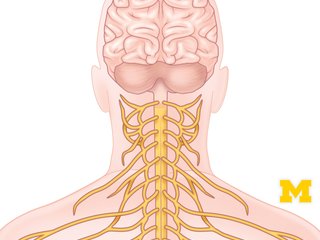
Dive into the nervous system, exploring sensory, motor, and autonomic pathways that control body function and brain interaction.
Explore how public policy can drive social change by addressing social inequality across education, health, justice, and environmental systems.
Use built-in Python data structures to perform increasingly complex data analysis and elevate your programming skills.

Examine firearm injury among youth and learn prevention strategies using evidence-based research and policy insights.
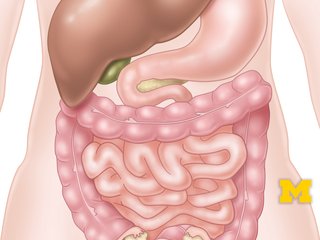
Study organ functions, nerve pathways, and clinical insights across digestive, reproductive, and endocrine systems using real anatomy visuals.
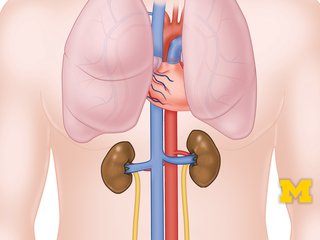
Learn the structure and function of vital systems that regulate circulation, breathing, and waste elimination in the human body.

Gain practical tools to prevent opioid misuse and educate patients through evidence-based strategies tailored to non-prescribing professionals.
Learn Python from scratch and build your first programs using simple instructions—no math or coding experience required.
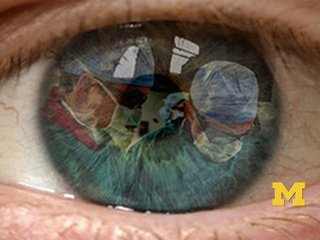
Gain foundational knowledge for cataract surgery, including preoperative evaluation, surgical techniques, and postoperative care.
Learn to apply economic tools and policy strategies to address climate change, pollution, and sustainability challenges in global contexts.
Examine how sleep affects health, performance, and society through neuroscience, medicine, and public policy lenses.

Build and launch your AI solution using a five-step execution process and learn strategies for scaling and sustaining success.
